Beyond the Headline: Why Asia''s LNG Import Collapse Signals a Deeper Market

Executive Summary
Asia's LNG imports plummeted to a six-year low in April 2024, driven by sharp
Beyond the Headline: Why Asia's LNG Import Collapse Signals a Deeper Market Transformation

The April Anomaly: Decoding the Six-Year Low in Asian LNG Imports
Asian imports of liquefied natural gas (LNG) registered a significant contraction in April 2024, falling to approximately 20.1 million metric tons (Source 1: [Primary Data]). This volume represents the lowest level for the month of April since 2018, a six-year low that contradicts long-standing projections of relentless demand growth from the region. The decline was not uniformly distributed but driven by substantial reductions in the region's largest growth markets. Imports by China fell by 11% year-on-year, while India's imports dropped by 18% year-on-year (Source 1: [Primary Data]). Initial market analysis linked the downturn to immediate geopolitical tensions, specifically the conflict in the Middle East, which introduced heightened concerns over supply security and near-term price volatility.
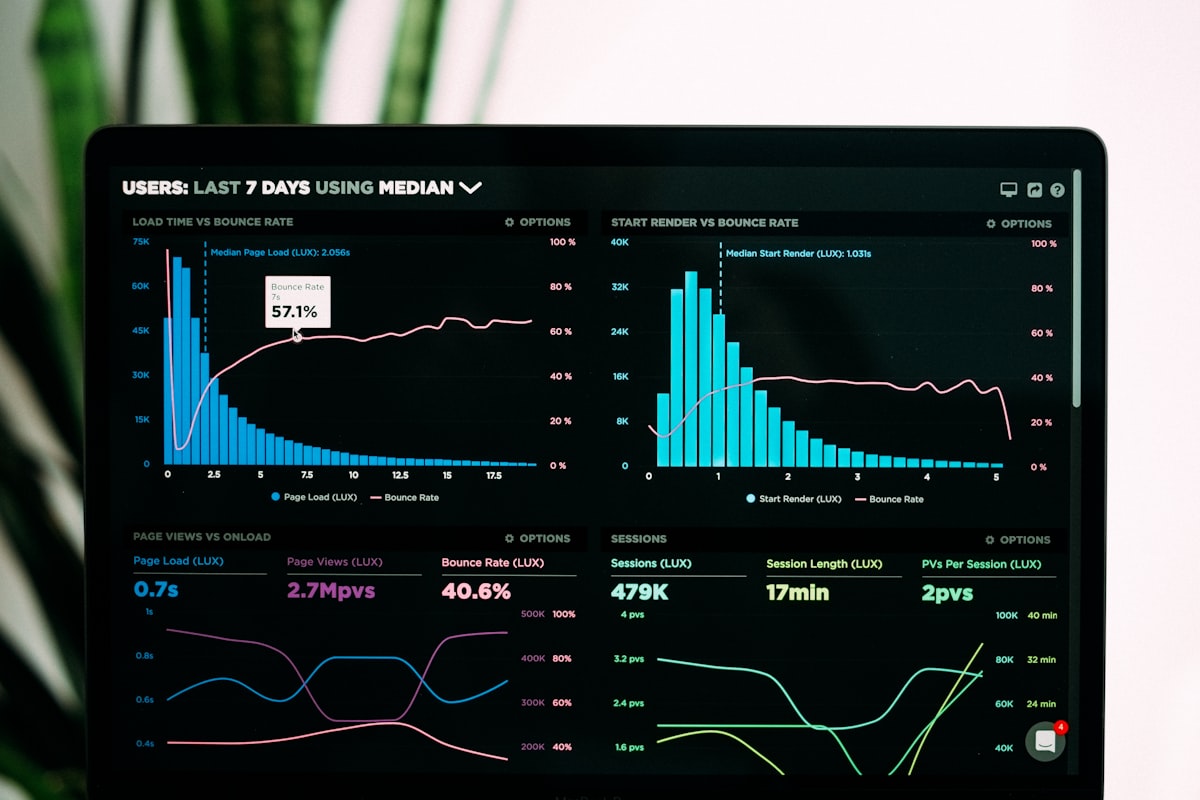
Price Paradox: Cheap LNG Fails to Stimulate Demand
The scale of the import decline presents a market paradox when viewed against current price fundamentals. The average LNG price for May delivery into Northeast Asia was assessed at $9.90 per million British thermal units (mmBtu) as of April 19, 2024 (Source 1: [Primary Data]). This price point is approximately 40% lower than the same period in 2023 and exists in a completely different paradigm than the historic peak of nearly $70/mmBtu witnessed in 2022 (Source 1: [Primary Data]). Conventional commodity logic would suggest that lower prices stimulate demand. The observed contraction, therefore, challenges simple price-elasticity models.
The divergence indicates a more profound behavioral shift among Asian buyers. The extreme price volatility of recent years, culminating in the 2022 spike, has likely induced a form of structural demand destruction. Buyers have become inherently cautious, prioritizing inventory management and energy security over opportunistic spot purchases. The memory of price shocks has rendered major importers less responsive to short-term price dips, as the overarching strategy has shifted toward minimizing exposure to the spot market's inherent volatility.
The Structural Shift: From Cyclical Dip to Strategic Recalibration
The confluence of low prices and falling imports suggests the April data is not a temporary cyclical blip but evidence of an incipient structural recalibration in Asia's relationship with LNG. The region's gas-dependent growth model is exhibiting fragility. The logical deduction is that Asia's LNG demand growth is entering a phase of plateauing, forcing a fundamental reevaluation of global trade and investment theses predicated on endless double-digit demand increases from China and South Asia.
This structural shift has direct, causal implications for the global LNG supply chain. Proposed liquefaction export projects, particularly those in the pre-final investment decision (FID) phase that rely on bullish Asian demand forecasts to secure financing, face increased risk of delay or cancellation. Concurrently, buyer strategy is evolving beyond mere contract negotiation. Asian nations are logically accelerating investments in diversification to mitigate LNG dependency. This includes securing more flexible, destination-free long-term contracts, but more significantly, it involves accelerating domestic energy infrastructure such as renewable generation, nuclear power, and coal capacity for grid stability, directly competing with gas for the marginal megawatt-hour.

Future Trajectory: A Market in Search of a New Equilibrium
The immediate catalyst of Middle East volatility has revealed a deeper, longer-term trend. The market is transitioning from a period of demand-led expansion to one defined by price sensitivity and strategic caution. Future market dynamics will likely be characterized by increased contract flexibility, a more cautious approach to spot market exposure, and a heightened focus on energy source diversification by traditional Asian buyers.
Neutral market prediction suggests that global LNG trade growth will be slower and more volatile than previously forecast. Price spikes will be met with rapid demand reduction as buyers activate alternatives, effectively creating a softer demand ceiling. The investment cycle for new multi-billion-dollar LNG export projects will lengthen, as developers require greater buyer commitment to reach FID. The April 2024 import data, as tracked by analytics firms like Kpler, may be retrospectively viewed as a key inflection point where the market's structural transformation became quantitatively evident, moving beyond rhetoric and into tangible trade flow data.

Emily Strategy
Corporate Strategy Correspondent
Covering multinational M&A and global corporate expansion strategies for over a decade.
View full profile & more articles